
EU Festival for Youth Sustainable Innovators: Bringing Ideas and People Together
On 14 November 2026, Luxembourg became a meeting place for ideas, experiences and people working towards a more sustainable future. GAIALUX and KEHSIA brought together European projects, partners and participants at the EU Festival for Youth Sustainable Innovators, hosted at Forum DA VINCI.
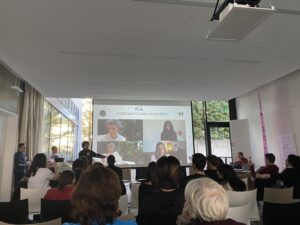
The conference showcased the results and achievements of three Erasmus+ projects: Allez l’Éco, Sexuality Connect and FLYE. The day offered a rich programme of interactive activities, debate and exchange, exploring how the projects address different but interconnected dimensions of the UN 2030 Agenda for Sustainable Development and global citizenship. Particular attention was given to GreenComp competences, financial literacy, gender equality and democratic participation. All this took place within a sustainable event whose format was itself one of the Festival’s key achievements.
The Festival’s vision was further enriched by the I.D.E.E. exhibition by GaiaLux, which brought colour, creativity and a strong strategic dimension to the overall event. Through its artistic interpretation of the Sustainable Development Goals, the exhibition provided a shared visual language for the different themes explored throughout the day, helping connect the projects’ contributions to the broader vision of the UN 2030 Agenda.
The event was introduced by the project coordinators, Chiara Crosio and Silvia Anastasia for KEHSIA and Tiziana Tamborrini for GaiaLux. The programme also benefited from the contributions of key experts, including André Bernard Coly, Responsable Licensing et Développement du Marché at Fairtrade Lëtzebuerg; Carrie Cannon registered health coach and founder of the ThinkPinkLux, Christina Ehlert, member of Luxembourg’s Conseil Supérieur pour un Développement Durable (CSDD); and Nuray Unlu Bonn, circular economy expert and EU Climate Pact Ambassador. Represenatives of the young trainees from the projects also shared their perspectives and actively contributed to the debate.
Behind each of the three Erasmus+ projects lies an international partnership, built on the exchange of knowledge, expertise and perspectives across countries. The Festival offered an opportunity to recognise the value of this European cooperation and the collective effort behind the activities and results presented. In particular, Allez l’Éco is the outcome of a collaboration coordinated by GaiaLux (Luxembourg), together with Fondazione Toscana Sostenibile (Italy) and Citizen Act – CiACT (Cyprus). Their complementary expertise made it possible to develop a shared learning pathway, practical tools and educational resources, while bringing the project’s approach to sustainable events to life during the Festival itself. The international dimension remained an integral part of this final stage, with project partners joining both in person and online, contributing their perspectives and continuing the exchange that had accompanied the project throughout its journey.
At the heart of the projects’ educational approach, the European GreenComp framework provided an important foundation for rethinking learning, training and educational curricula. The ambition goes beyond acquiring individual competences and accumulating knowledge: it is about fostering holistic and interdisciplinary learning, nurturing critical thinking, creativity and a positive attitude towards change. These are essential elements if education is to contribute to a greener, more inclusive and just society.
This vision also shaped the way young people were involved. Rather than simply being invited to attend or benefit from project activities, they were encouraged to become active protagonists throughout the process, contributing ideas, taking responsibility and developing creative solutions. Their involvement extended from planning and logistics to sharing their views and experiences during the conference itself. The collective debate also offered an opportunity to look back at this experience: what had youth participation made possible? What had it taught us? And how could these opportunities be further strengthened in future initiatives?
Making sustainability visible through practice
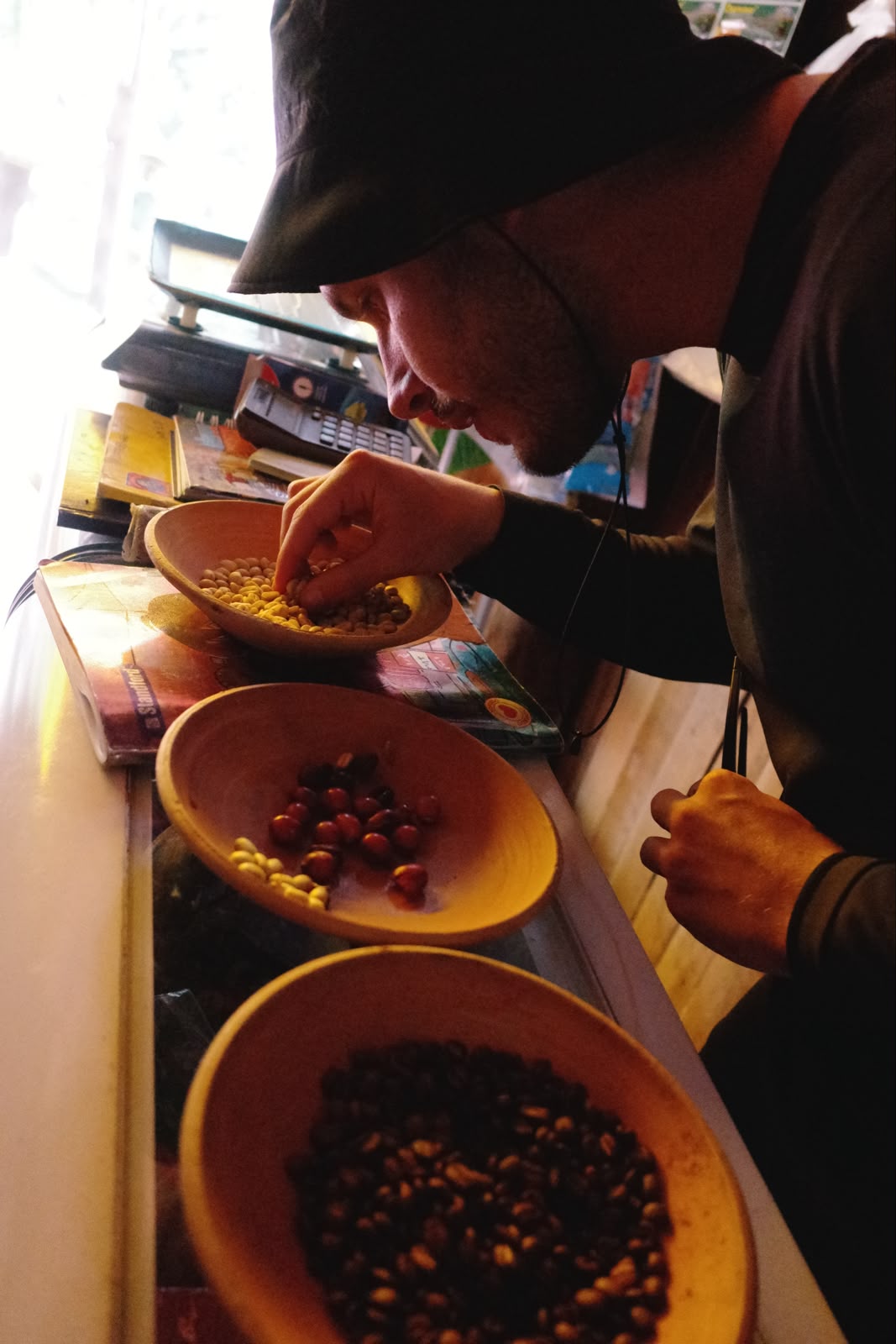
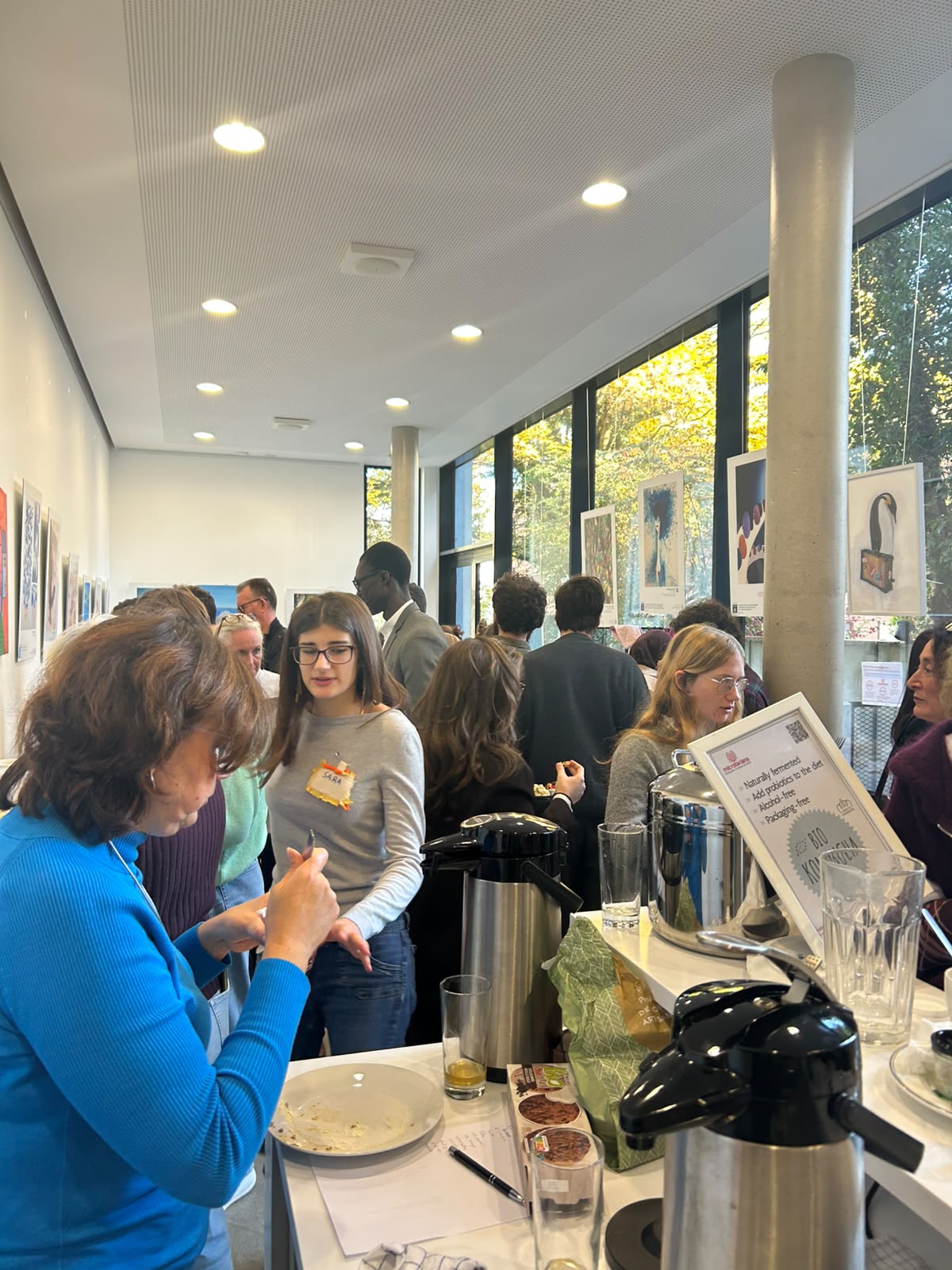
The Festival’s commitment to sustainability was reflected not only in the topics discussed, but also in a series of practical choices. The catering, provided by Chiche’ and Microtarians, contributed to a pleasant and distinctive food experience in keeping with the event’s principles. Specialising in fermented food solutions, Microtarians had also coordinated part of the Allez l’Éco project’s hands-on training activities, bringing together food culture, sustainability and learning through experience.
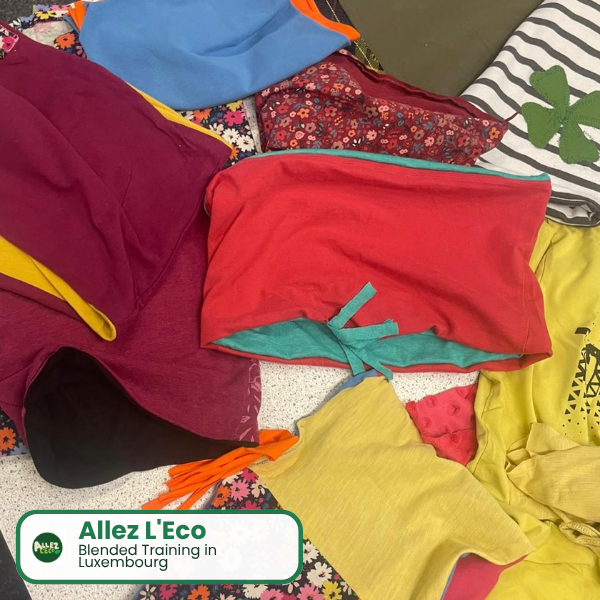
The same philosophy guided the choice to move away from conventional promotional gadgets. Instead, participants were offered original upcycled creations made by Allez l’Éco trainees under the guidance of the Textile Lab experts: Donatella Massoli (For-Me), Ivana Massucco and Nuray Unlu Bonn. Giving existing materials a second life, these small creative objects became meaningful mementos of the Festival, embodying the circular approach that the project seeks to promote.
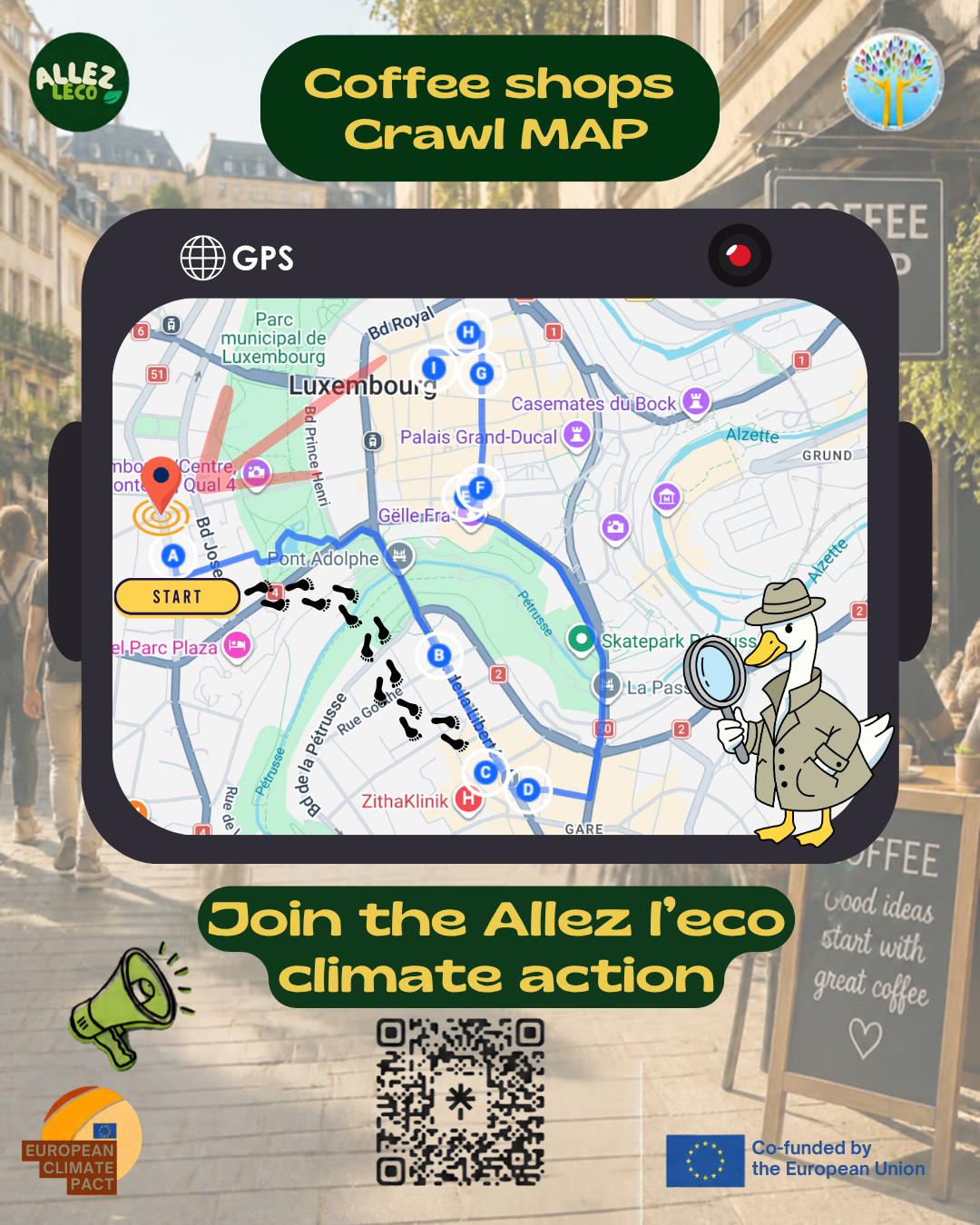
For the Allez l’Éco trainees, the Festival was also an opportunity to put their newly acquired competences to the test. Drawing on the project’s E-Guide Book they took responsibility for several practical elements: designing the questionnaires to assess the sustainability of the event, developing a screening questionnaire for participating coffee shops, creating the City Quest route map and preparing the instructions for participants. This was not simply a matter of assigning tasks. It was a learning process in which responsibility, creativity and cooperation came together. The collaboration with GaiaLux’s more experienced members, who accompanied the trainees as coaches throughout the journey, added another valuable dimension: the exchange between generations, experience and fresh perspectives.
The blended training programme, delivered with Antje Holst, Learning Experience Designer, was specifically designed to introduce the trainees to the E–Learning Syllabus and equip them with the knowledge and confidence to independently co-create and design the different activities. It built on the scientific foundations and key insights shared by experts during the preparatory forums held in November 2025. The Festival became the natural culmination of this learning journey: a space in which ideas could be translated into action and competences tested in a real-life setting.
The learning experience was also captured and shared through the contribution of Olivia Pollmann, a young GaiaLux volunteer, who wrote an article bringing together the key insights and takeaways from the blended training (here). Her contribution offers another perspective on the learning process, giving visibility to the knowledge exchanged and the reflections developed along the way. The Festival became the natural culmination of this learning journey: a space in which ideas could be translated into action and competences tested in a real-life setting.
Discovering the city through a sustainable lens
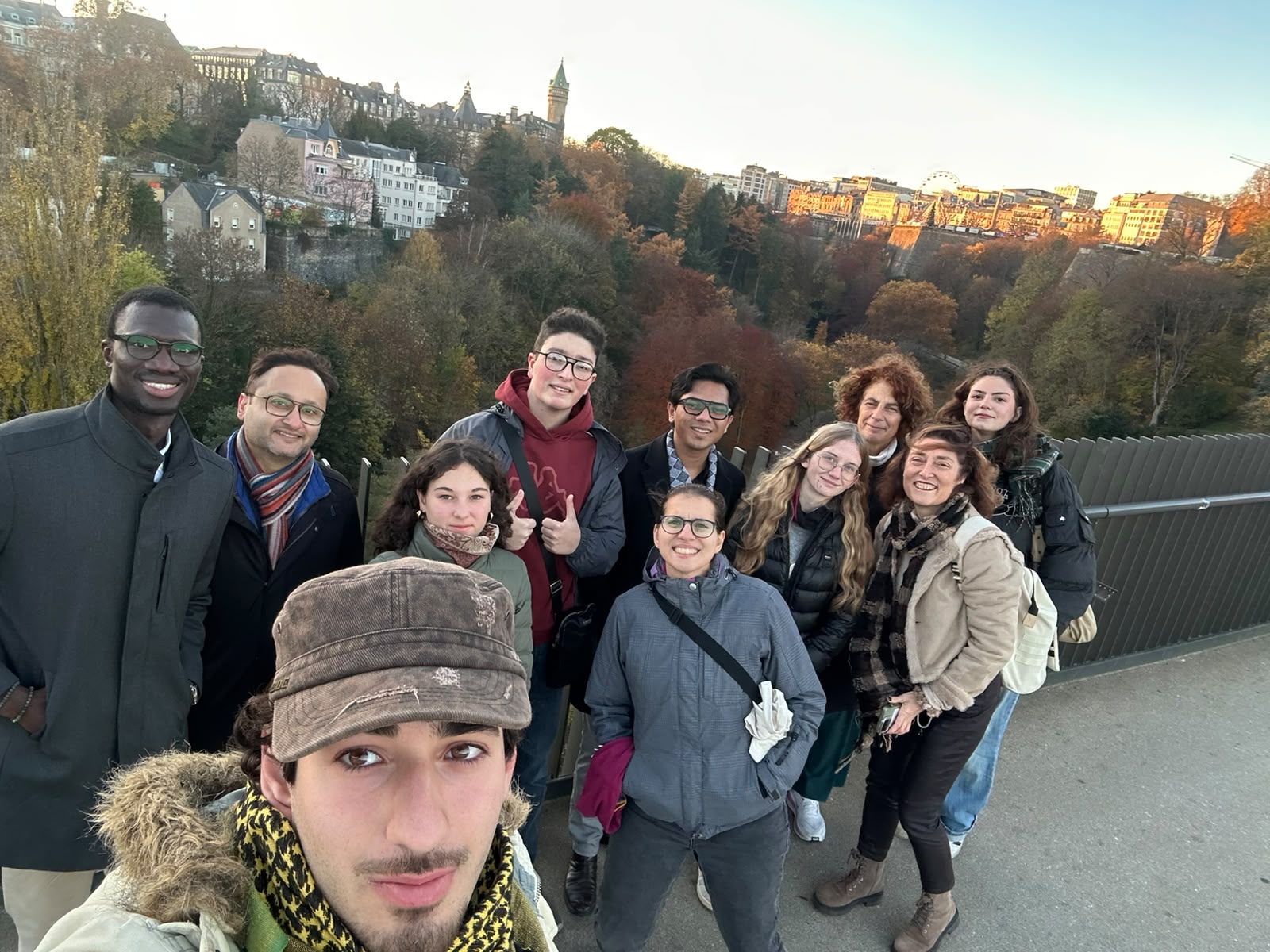
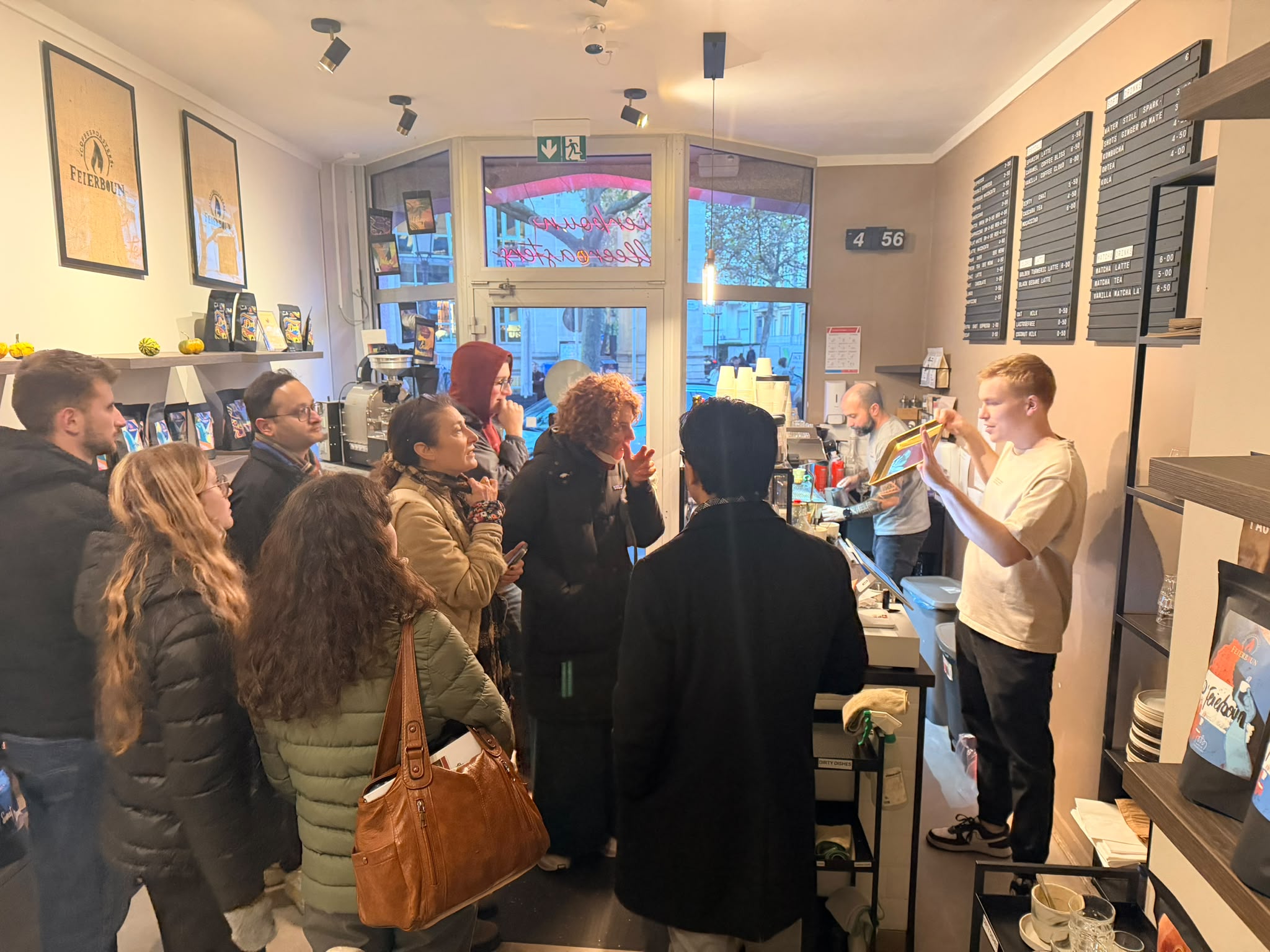
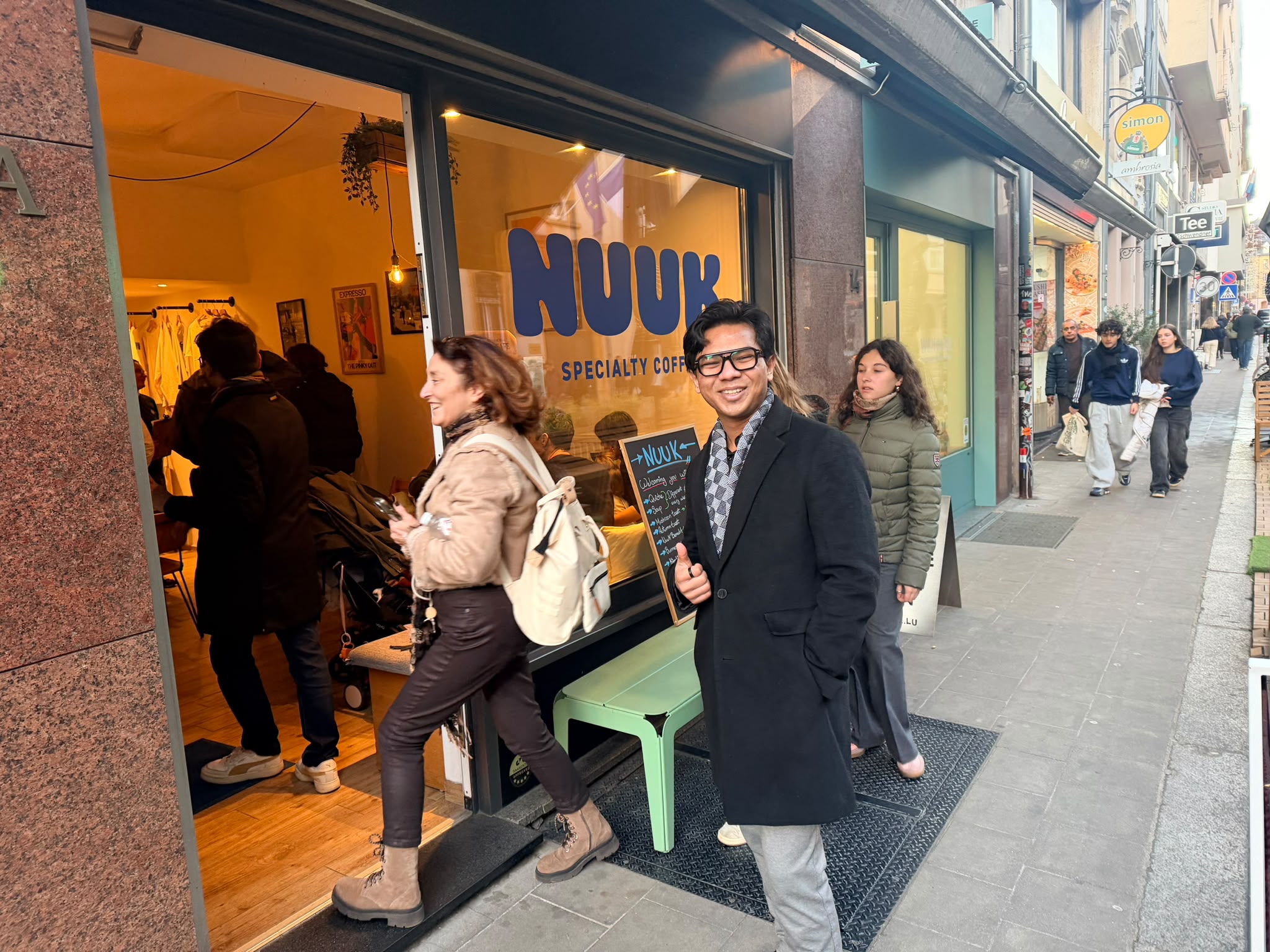
One of the most engaging moments of the day took place beyond the conference venue. The young trainees also led the Allez l’Éco Sustainable Coffee Shop City Quest, turning a walk through Luxembourg City into an opportunity for discovery, observation and climate action.
On a cold but sunny Saturday afternoon, participants explored the city from a different perspective, looking beyond the atmosphere and appeal of its coffee shops to consider the choices and practices that shape their sustainability. The initiative sought to encourage local businesses to make sustainability a substantial part of their identity, rather than simply a marketing message or a form of greenwashing.
The visits and observations offered some encouraging signs. The idea that sustainability should be reflected in the way a coffee shop operates — in its products, sourcing choices and customer experience — seems to be increasingly present in the thinking and practices of several local businesses. This is a positive indication that sustainability is gradually finding its place in the everyday life of the city. The presence of Fairtrade expert André Bernard Coly during the walk provided an additional perspective, helping participants recognise and appreciate some of the positive changes observed along the way.
The experience will not end with the Festival. Participants in the Coffee Shop Crawl have decided to keep the initiative open until the end of December, creating further opportunities to visit and assess additional venues. Citizens in Luxembourg are invited to take part: to discover one or more of their preferred coffee shops, enjoy a drink and, at the same time, look at the experience through a sustainability lens.
The young trainees have made their work and resources available to everyone interested in joining the Quest: the questionnaire they designed (here), the guiding rules (here) and also some key tips shared by coffee or chocolate lovers (here and here). Those wishing to explore the initiative further can find the materials developed during the Allez l’Éco training in the project’s Linktree, including articles offering insights into what to look for when entering a coffee shop and deciding where to enjoy a drink.
🔗 Explore the resources created by the Allez l’Éco trainees
From a shared experience to future possibilities
Beyond the Festival itself, the experience offers valuable material for reflection. For GaiaLux and KEHSIA, the challenge now is to draw lessons from the entire process — from training and youth involvement to event planning, implementation and evaluation — and translate them into improvements for future activities.
The Festival was therefore more than an occasion to present results and celebrate achievements. It was a learning experience in its own right, demonstrating how educational pathways, international cooperation and meaningful youth participation can come together to turn shared ambitions into concrete action.
Perhaps this is where its most important legacy lies: in showing that sustainability is not only something to be taught, discussed or displayed. It is something to be experienced, negotiated and built together, through the choices we make and the opportunities we create for others to take part.



Other Events
Allez L'Éco, Article, Events, Senza categoria