
by Chris Knight
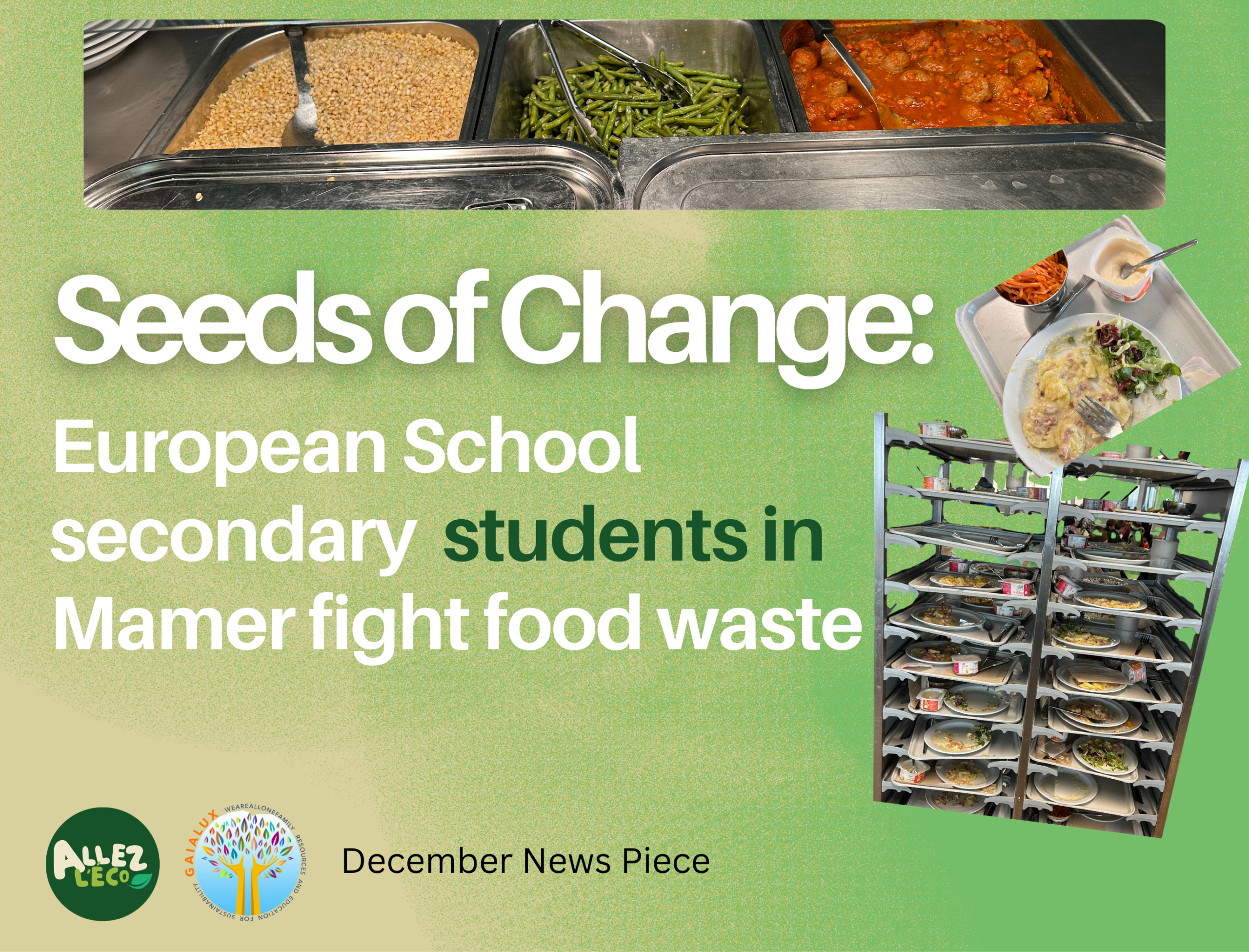
At the European School in Mamer, led by a dedicated teacher and her secondary students, a mission is underway to tackle the global problem of food waste, starting right in their own school.
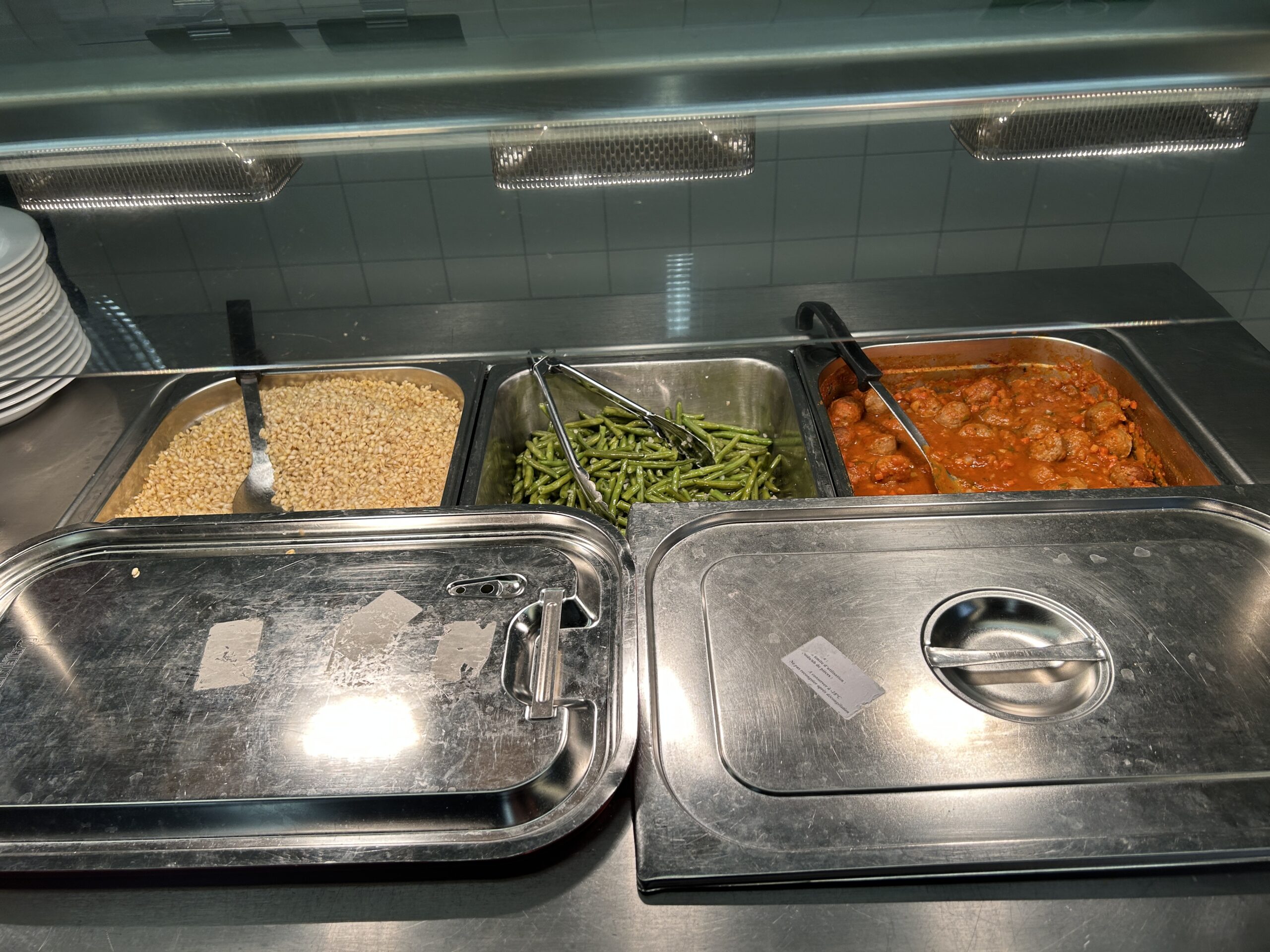
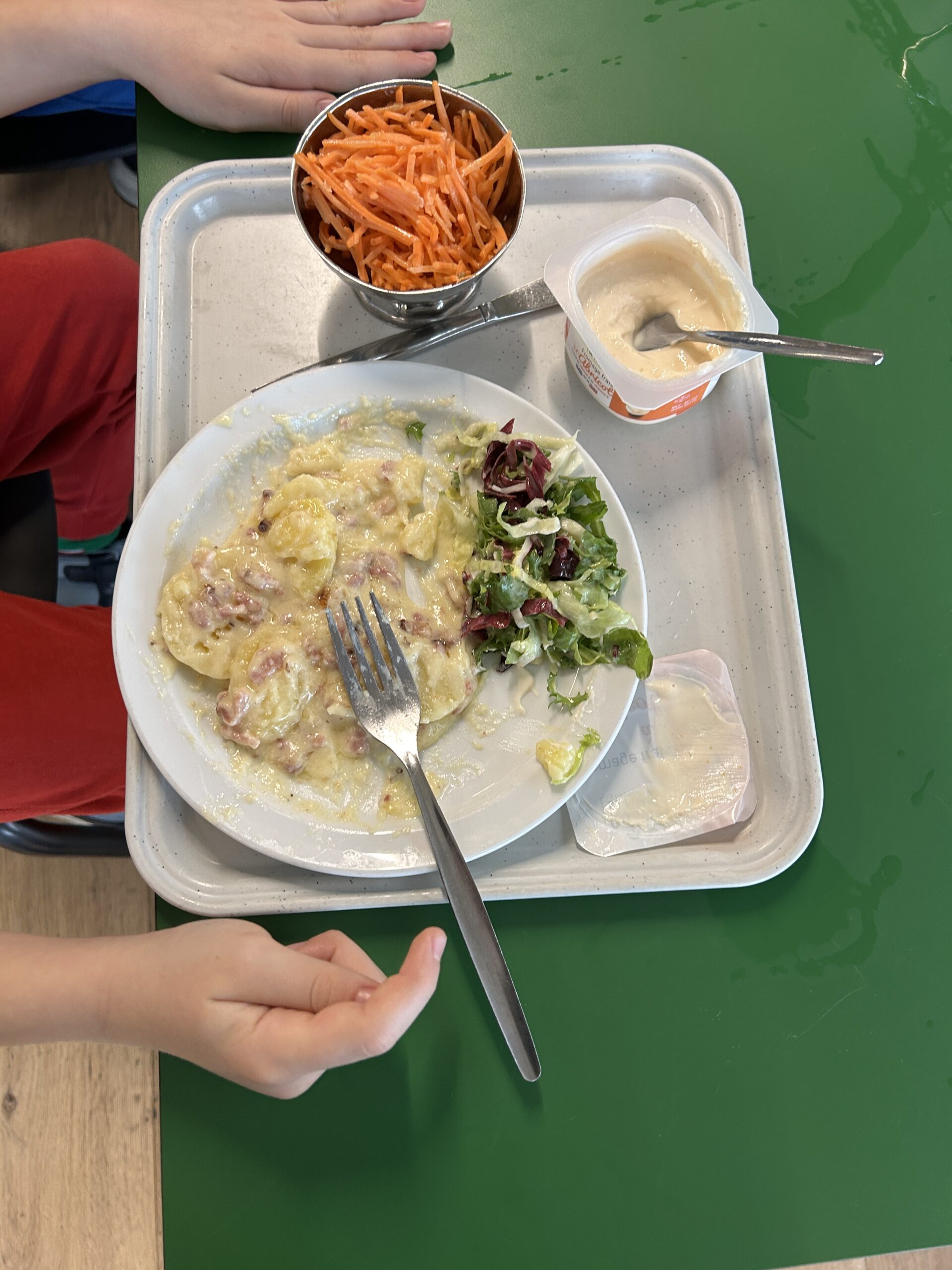
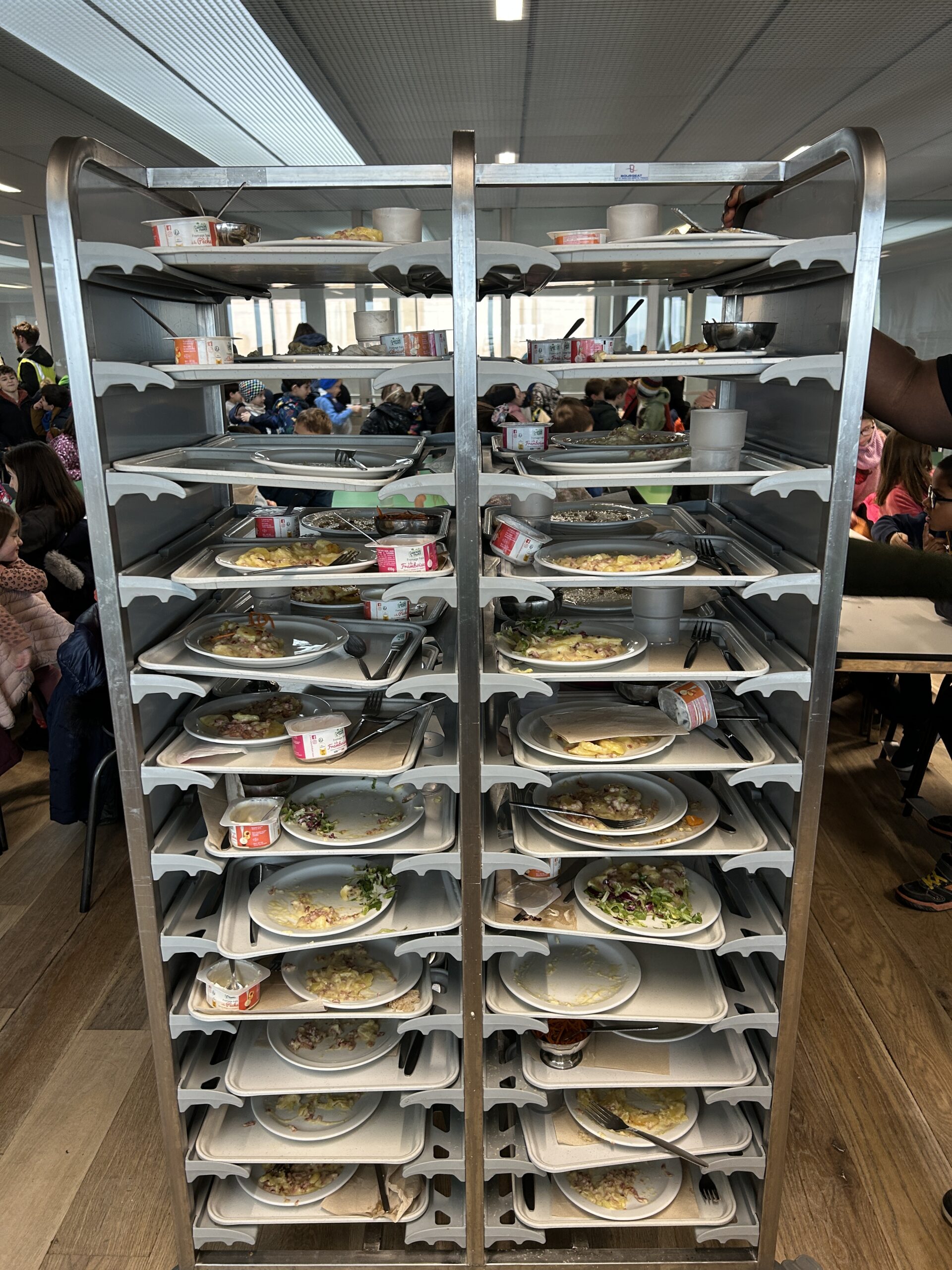
The scale of the challenge is significant. Research suggests that food waste in schools is a major issue. A recent study in England found that primary schools generate around 72 grams of food waste per pupil per day, totaling over 80,000 tonnes across the academic year for both primary and secondary schools. According to the study, 77% of this waste is avoidable.
The Cost of Wasted Food
It’s crucial to understand why reducing food waste is so important. Beyond the moral issue of throwing away food while others go hungry, food waste has an environmental impact. When food rots in landfills, it releases methane, a potent greenhouse gas. Furthermore, wasting food means wasting all the resources—the
land, water, labor, and energy—used to grow, process, and transport it. Globally, food waste contributes around 10% of all greenhouse gas emissions, making it a key factor in the climate crisis. By reducing waste, we conserve resources, save money and fight climate change.
A Year-Long Project for Responsible Citizens
The secondary students at the European School in Mamer are facing this challenge head-on with a year-long project focused on reducing waste across the school community. Their teacher, Angela Piccolomini, explains the approach:
” As part of this initiative, the kids are studying how habits at home can influence
behavior at school—especially among the younger students” she says.
To deepen their understanding, the students invited parents to come to school and join a short discussion in mid-December. This provided a vital opportunity for the students to hear real-world experiences and ideas on how parents encourage their children not to waste food.
Partnerships for a Sustainable Future
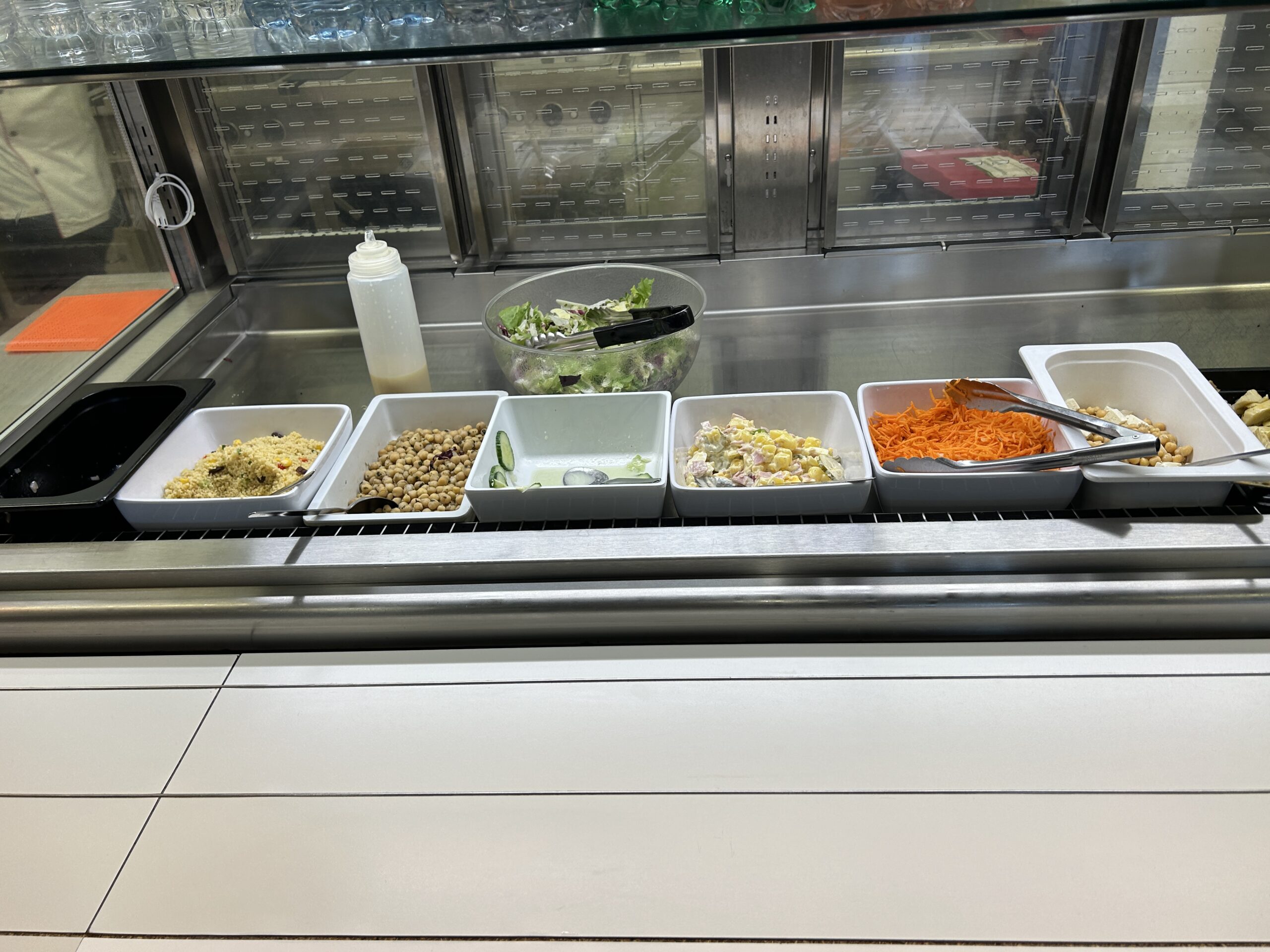
This student-led initiative is part of a broader effort to reduce food waste at the school in Mamer. A parents’ sustainability group is actively working with students and the school’s catering provider, Sodexo, to develop a concrete program to measure food waste within the canteen. This partnership is vital for creating effective, long-
term change.
Also, a canteen working group that is part of the European School parents’ association is trying to incorporate the issue of stopping food waste into a new contract for the canteen that will be launched soon. This group also is working with the current canteen provider, Sodexo, to review its food waste reports.
Students’ Ideas for Action
The students have already formulated several ambitious actions to raise awareness and drive change across the school:
- Canteen Transparency: They plan on installing a screen in the canteen to
display the weekly and monthly amount of food waste generated. - Education for the youngest: To build sustainable habits early, the students are creating a comic booklet to distribute to P5 pupils, helping younger students
 learn about the importance of reducing food waste in an engaging format.
These impactful actions require support, particularly financial support for the canteen screen and assistance with printing the comic booklets. The students plan to apply for support from a funding programme offered by the parents’ association.
Simple Ways to Stop Wasting Food
The schools’ efforts align with general strategies for reducing food waste.
Common suggestions include:
- Offering Flexible Portions: Allowing students to take smaller amounts means
less is left uneaten. - Optimizing Meal Times: Giving students enough time to eat their meal
comfortably, often at least 25 minutes. - Conducting Waste Audits: Regularly tracking and analyzing what food is
thrown away helps identify problem areas (e.g., unpopular menu items). - Involving Students: Getting students involved in menu planning or waste
monitoring encourages ownership and better choices.
Through their research, interviews, and planned actions, the students at the Mamer school are not just studying a problem—they are actively working to be the responsible, active citizens the world needs to solve it.
Other Events
Allez L'Éco, Article, News